
Licensing / Sugarcane – Other Regions
General
CEEDSTM is transforming the sugarcane planting process. For the first time, crops can be sown like conventional seeds, eliminating the need for all seed cane production in the field. In Brazil, CEEDSTM for sugarcane are now available through direct supply or on-mill production, backed by over 10 years of development and proven success in Brazil and other regions.
What are CEEDSTM?
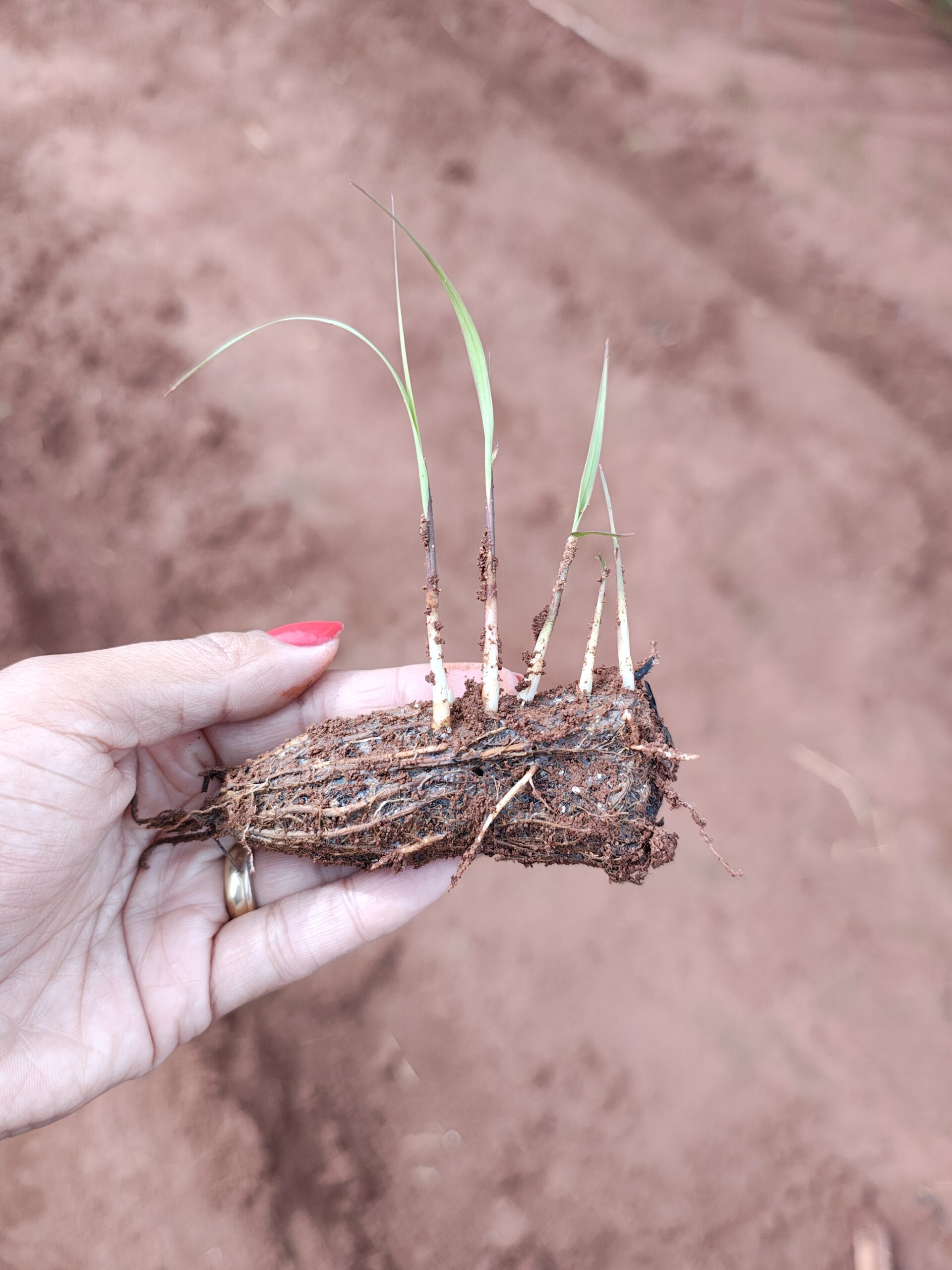
CEEDSTM are the first synthetic seeds for sugarcane – a small polymer-coated unit about the size as a large wine cork, developed and patented by NEF. Each CEED contains disease-free, true-to-type plant material with multiple buds and roots, along with integrated crop protection and nutrition.
CEEDSTM can be drilled automatically and rapidly into the soil using specially developed planters, without the need for irrigation when planted between October and April. They establish quickly, showing vigorous growth from the moment of planting.
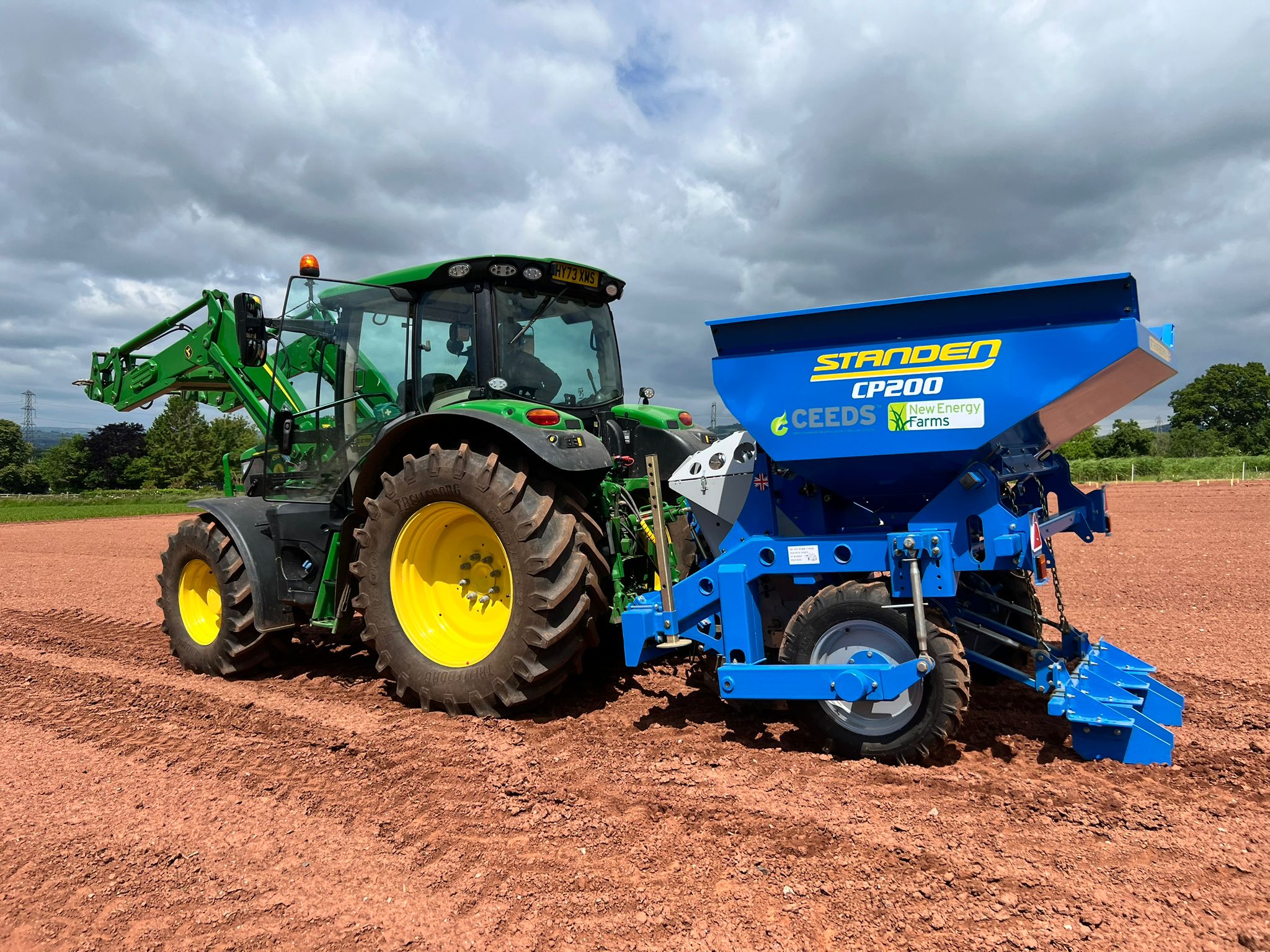


From left to right: CEEDSTM planter; Field of sugarcane in Brazil planted from CEEDSTM; Sugarcane CEED.
Why Adopt CEEDSTM Technology?
- Low-cost production – uses existing plug plant production infrastructure.
- Control over seed supply and quality – same as current seed-cane systems.
- Clean planting material – amplify disease-free tissue culture plants to maximise yield.
- Scalable, low-risk model – proven results and reliable returns.
- No field seed-cane production – cut costs and increase profitability.
- Fully automatic CEEDSTM planters – faster, safer, more efficient crop establishment.
- Mill synergies – reduce costs by using on-site labour, energy, water, and substrates.
- Any variety – no restrictions from NEF; use any variety available to you.
- Export support – training and guidance from experienced NEF staff.
- Fast technology transfer – on-site, online, and written protocols for easy adoption.
How Are They Manufactured?
CEEDSTM are produced in small-scale horticultural nurseries using conventional growing equipment, similar to plug plant production (such as single eye setts). The starter material is typically tissue-culture derived and multiplied through the CEEDSTM production system.
In the nursery, the material is hardened to form the final propagule, containing multiple buds and roots. It is treated with crop protection and nutrients, then coated in a biodegradable polymer to prevent desiccation. CEEDSTM can then be stored or planted immediately in the field using fully automatic CEEDSTM drills.
CEEDSTM Licensing
NEF offers a low-cost package to support any mill or producer group looking to produce CEEDSTM. This unique market solution builds on the existing plug plant production strategy, using similar infrastructure and creating synergies by utilising by-products as substrates to reduce costs.
No capital investment is required to begin. For example, 35m2 of growing area can produce enough material for 1 hectare of planting, and 1,000 ha of CEEDSTM production requires less than 4 ha of growing space, compared to 190 ha of field area for traditional methods.
NEF provides a complete training package for your staff, including detailed protocols and hands-on support for producing your own CEEDSTM. This enables mills and farm groups to maintain full control over seed-cane production, create CEEDSTM from any variety needed, lower costs, and gain a competitive advantage by transforming the way sugarcane is planted.
Contact NEF here for an information sheet on how CEEDSTM production can be set up for you now.
Licensing / Sugarcane – Other Regions
General
CEEDSTM is transforming the sugarcane planting process. For the first time, crops can be sown like conventional seeds, eliminating the need for all seed cane production in the field. In Brazil, CEEDSTM for sugarcane are now available through direct supply or on-mill production, backed by over 10 years of development and proven success in Brazil and other regions.
What are CEEDSTM?
CEEDSTM are the first synthetic seeds for sugarcane – a small polymer-coated unit about the size as a large wine cork, developed and patented by NEF. Each CEED contains disease-free, true-to-type plant material with multiple buds and roots, along with integrated crop protection and nutrition.
CEEDSTM can be drilled automatically and rapidly into the soil using specially developed planters, without the need for irrigation when planted between October and April. They establish quickly, showing vigorous growth from the moment of planting.
From left to right: CEEDSTM planter; Field of sugarcane in Brazil planted from CEEDSTM; Sugarcane CEED.
Why Adopt CEEDSTM Technology?
- Low-cost production – uses existing plug plant production infrastructure.
- Control over seed supply and quality – same as current seed-cane systems.
- Clean planting material – amplify disease-free tissue culture plants to maximise yield.
- Scalable, low-risk model – proven results and reliable returns.
- No field seed-cane production – cut costs and increase profitability.
- Fully automatic CEEDSTM planters – faster, safer, more efficient crop establishment.
- Mill synergies – reduce costs by using on-site labour, energy, water, and substrates.
- Any variety – no restrictions from NEF; use any variety available to you.
- Export support – training and guidance from experienced NEF staff.
- Fast technology transfer – on-site, online, and written protocols for easy adoption.
How Are They Manufactured?
CEEDSTM are produced in small-scale horticultural nurseries using conventional growing equipment, similar to plug plant production (such as single eye setts). The starter material is typically tissue-culture derived and multiplied through the CEEDSTM production system.
In the nursery, the material is hardened to form the final propagule, containing multiple buds and roots. It is treated with crop protection and nutrients, then coated in a biodegradable polymer to prevent desiccation. CEEDSTM can then be stored or planted immediately in the field using fully automatic CEEDSTM drills.
CEEDSTM Licensing
NEF offers a low-cost package to support any mill or producer group looking to produce CEEDSTM. This unique market solution builds on the existing plug plant production strategy, using similar infrastructure and creating synergies by utilising by-products as substrates to reduce costs.
No capital investment is required to begin. For example, 35m2 of growing area can produce enough material for 1 hectare of planting, and 1,000 ha of CEEDSTM production requires less than 4 ha of growing space, compared to 190 ha of field area for traditional methods.
NEF provides a complete training package for your staff, including detailed protocols and hands-on support for producing your own CEEDSTM. This enables mills and farm groups to maintain full control over seed-cane production, create CEEDSTM from any variety needed, lower costs, and gain a competitive advantage by transforming the way sugarcane is planted.
Contact NEF here for an information sheet on how CEEDSTM production can be set up for you now.
Licensing / Sugarcane – Other Regions
General
CEEDSTM is transforming the sugarcane planting process. For the first time, crops can be sown like conventional seeds, eliminating the need for all seed cane production in the field. In Brazil, CEEDSTM for sugarcane are now available through direct supply or on-mill production, backed by over 10 years of development and proven success in Brazil and other regions.
What are CEEDSTM?
CEEDSTM are the first synthetic seeds for sugarcane – a small polymer-coated unit about the size as a large wine cork, developed and patented by NEF. Each CEED contains disease-free, true-to-type plant material with multiple buds and roots, along with integrated crop protection and nutrition.
CEEDSTM can be drilled automatically and rapidly into the soil using specially developed planters, without the need for irrigation when planted between October and April. They establish quickly, showing vigorous growth from the moment of planting.
From top to bottom: CEEDSTM planter; Field of sugarcane in Brazil planted from CEEDSTM; Sugarcane CEED.
Why Adopt CEEDSTM Technology?
How Are They Manufactured?
CEEDSTM are produced in small-scale horticultural nurseries using conventional growing equipment, similar to plug plant production (such as single eye setts). The starter material is typically tissue-culture derived and multiplied through the CEEDSTM production system.
In the nursery, the material is hardened to form the final propagule, containing multiple buds and roots. It is treated with crop protection and nutrients, then coated in a biodegradable polymer to prevent desiccation. CEEDSTM can then be stored or planted immediately in the field using fully automatic CEEDSTM drills.
CEEDSTM Licensing
NEF offers a low-cost package to support any mill or producer group looking to produce CEEDSTM. This unique market solution builds on the existing plug plant production strategy, using similar infrastructure and creating synergies by utilising by-products as substrates to reduce costs.
No capital investment is required to begin. For example, 35m2 of growing area can produce enough material for 1 hectare of planting, and 1,000 ha of CEEDSTM production requires less than 4 ha of growing space, compared to 190 ha of field area for traditional methods.
NEF provides a complete training package for your staff, including detailed protocols and hands-on support for producing your own CEEDSTM. This enables mills and farm groups to maintain full control over seed-cane production, create CEEDSTM from any variety needed, lower costs, and gain a competitive advantage by transforming the way sugarcane is planted.
Contact NEF here for an information sheet on how CEEDSTM production can be set up for you now.